Farm & Homestead Side Hustle Ideas That Actually Pay (2026)
Real side-income ideas for farmers and homesteaders in 2026 — from eggs and value-added products to recurring income recommending tools you already use.
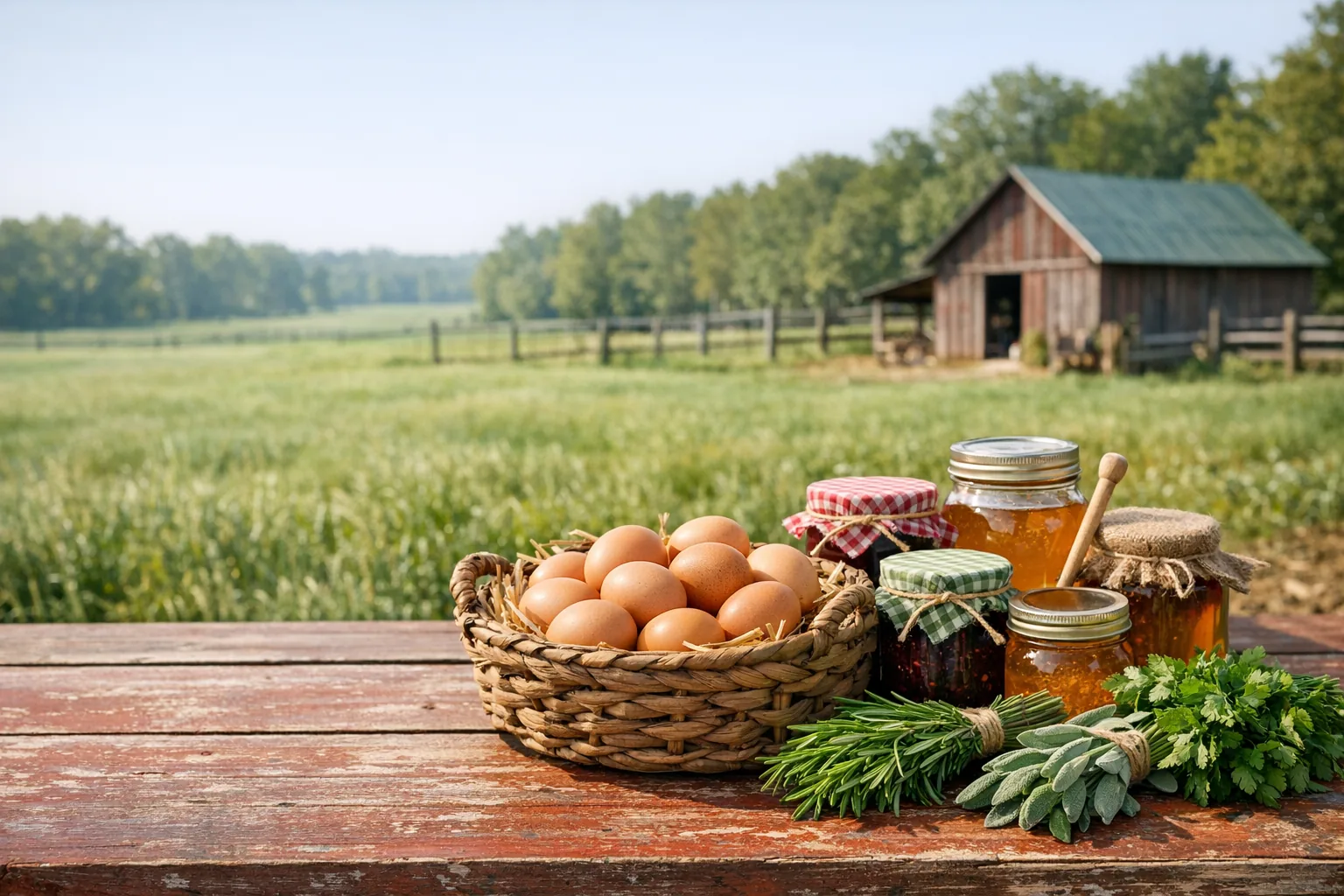
Most farm side-hustle lists read like they were written by someone who has never wiped manure off a boot — start a u-pick! launch a podcast! — long on enthusiasm, short on margin. The reality is that the side hustles worth your limited hours are the ones that lean on assets, skills, and production you already have, so the extra income doesn’t cost you a second job’s worth of work. Here are the ones that actually pay in 2026, sorted roughly from least startup capital to most.
The Near-Zero-Cost Starters
These use what’s already on your place. They won’t make you rich on their own, but they start tomorrow with no real outlay.
- Eggs and surplus produce. The oldest homestead hustle for a reason. A small flock or an overplanted garden produces more than your household eats, and a regular route — neighbors, a farm stand, a workplace drop — turns surplus into steady cash. The trick is consistency, not volume: customers stick when supply is reliable.
- Teach what you already know. You’ve learned to can, to keep bees, to graft fruit trees, to butcher a chicken. People pay for those skills in workshops, short classes, or one-on-one consulting. Your knowledge is inventory you can sell repeatedly without depleting it.
- Farm-sitting and animal care. Other farmers travel and need someone competent to cover chores. You already know the work; it’s pure billable time using skills you have.
Turn Production Into Products
This is where homestead margins get interesting. Raw commodities pay commodity prices; value-added products pay for the work you put in.
- Value-added food. Milk into cheese, soap, or yogurt; fruit into jam and butters; herbs into teas, tinctures, or seasoning blends; meat into cured and smoked products where your rules allow. Each step away from raw adds margin — just respect your state’s cottage-food and licensing limits before you sell.
- A small CSA or subscription box. Bundle a weekly share of whatever’s producing. Subscriptions smooth out the income and lock in customers for a season instead of chasing one-off sales.
- Crafts and fiber. Wool, soap, candles, dried flowers, wreaths. Seasonal, but the holiday markets are real money for the hours.
Rent Out What Sits Idle
You own assets that earn nothing most of the year. Put them to work.
- Equipment and custom work. That baler, tractor, or tiller can earn custom-hire income on neighbors’ fields when it’s not on yours.
- Space. A barn for storage, pasture for someone else’s animals, a corner of the property for camping or an RV pad. Idle acreage is overhead until you rent it.
The Recurring-Income Idea Most People Miss
Here’s the one that almost never makes these lists, and it’s arguably the best fit for a busy farmer because it requires zero extra production: getting paid to recommend the tools you already use.
You already pay for farm software, feed accounts, supply subscriptions, and equipment. Several of those have referral or “insider” programs that pay you every month for customers you send. The standout is recurring software referrals, because unlike a one-time kickback, the money keeps coming as long as your referral stays subscribed.
Concretely: the FarmsFlo Insider program pays $10–$25 per month for each farmer you refer who stays on a paid plan — $10/mo per Pro customer, $25/mo per Complete customer, recurring. You don’t need a website, an audience, or a content calendar. You need other farmers who’d benefit from a tool you already trust, and one link to share. Refer a handful over a season and it quietly compounds into a real monthly stream while you do nothing further. We break down exactly how the model works in how to make money recommending software you already use — it’s the closest thing on this list to genuinely passive income.
The Capital-Heavy Plays (Do These Last)
These pay well but carry cost and risk, so prove demand with the cheap ideas first:
- More livestock or a finishing program — real money, real feed bills. Run the numbers first; our breakdown of whether raising chickens is profitable shows how thin the margin can be if you don’t track it.
- Agritourism — pumpkin patches, farm dinners, u-pick, lodging. High ceiling, high build-out cost, and a hospitality job bolted onto a farming one.
- Processing and direct meat sales — strong margins, but licensing and infrastructure are serious commitments.
Treat It Like a Business, Even If It’s Small
The homesteaders who actually keep their side income are the ones who track it like a business from day one — what each stream costs, what it brings in, and which ones are worth more of their limited hours. Most successful operations run two or three small streams rather than betting on one, and the only way to know which deserve more attention is to measure them. FarmsFlo ties your sales, expenses, and farm P&L together so a side hustle stays a profit and doesn’t quietly become an expensive hobby — Free to start, with Pro ($29/mo) and Complete ($79/mo) when you outgrow it.
The best side hustle is the one that fits the life you already have. Start with what’s free, add what’s high-margin, and don’t overlook the recurring income hiding in the tools already on your shelf.
Ready for the easiest stream to start? The Insider program pays you $10–$25/mo, recurring, for recommending tools you already use — no audience required.