Rotational Grazing Stocking Rates: 5 Errors That Quietly Cost You Pasture
Set the right rotational grazing stocking rate and avoid the 5 errors that overgraze pasture and shrink gains.
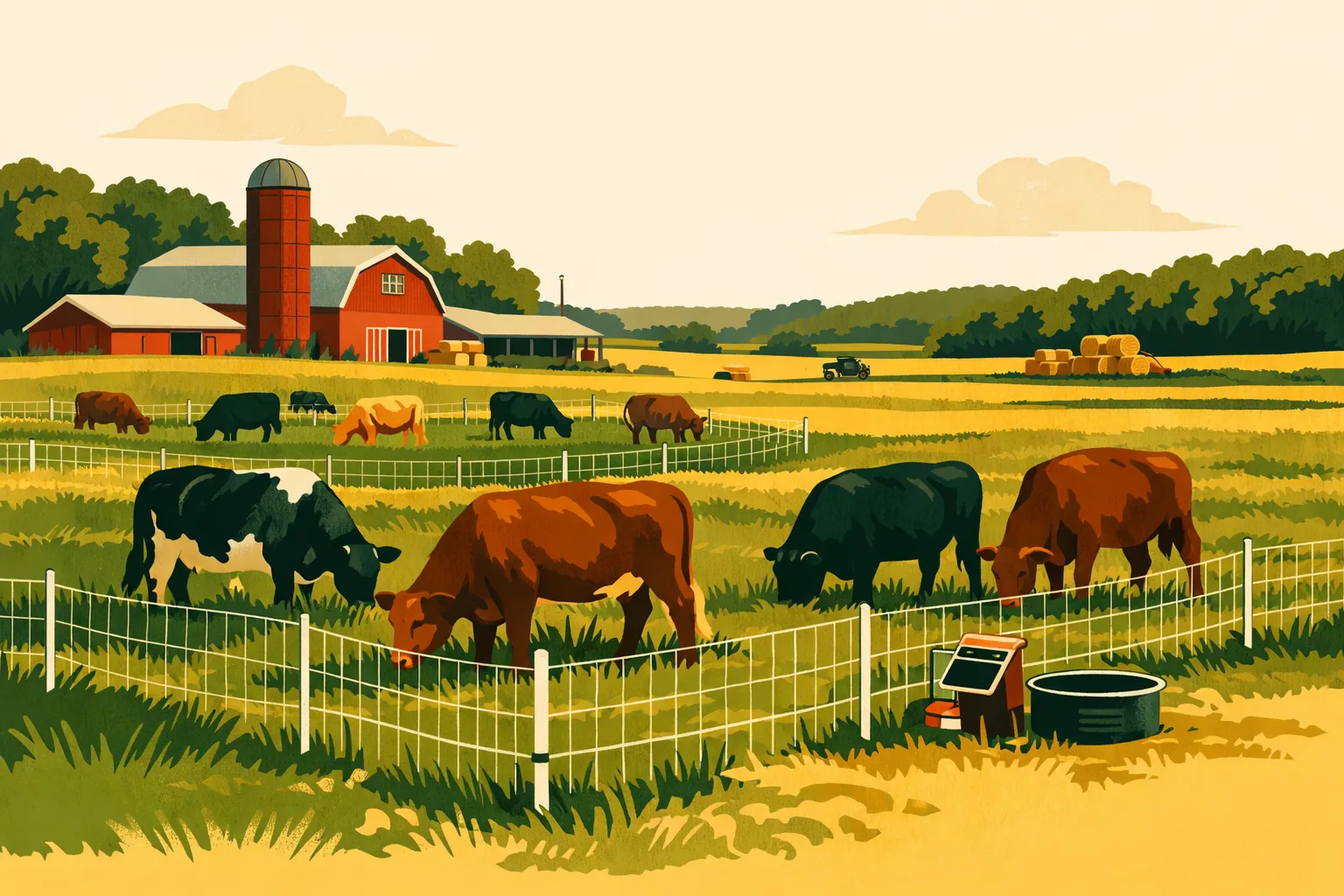
Rotational grazing is a sophisticated strategy that enhances pasture productivity and animal welfare, but even seasoned farm managers can fall prey to subtle mistakes that degrade pasture quality. Misjudging stocking rates is a common pitfall that can lead to overgrazing, reduced forage quality, and long-term pasture damage. This guide will illuminate five errors in setting rotational grazing stocking rates and provide actionable steps to optimize your grazing strategy.
Understanding Stocking Rates
Before diving into the common errors, it’s crucial to understand what stocking rate means in the context of rotational grazing. The stocking rate refers to the number of animals grazing a particular area for a specific period. It is a balancing act of matching the forage availability with the livestock’s nutritional needs without compromising pasture health.
Why Accurate Stocking Rates Matter
- Pasture Health: Overgrazing leads to soil compaction and erosion, reducing the pasture’s ability to regenerate.
- Animal Performance: Adequate forage translates to better weight gain, milk production, and overall livestock health.
- Economic Efficiency: Optimized stocking rates ensure you’re not overextending resources while maximizing output.
Error 1: Miscalculating Forage Availability
A common mistake is underestimating or overestimating the amount of forage available. This error typically stems from an inadequate assessment of pasture growth rates and seasonal variations.
Calculating Forage Availability
- Measure Pasture Growth: Use a rising plate meter or pasture ruler to estimate growth in kilograms of dry matter per hectare (kg DM/ha).
- Consider Seasonal Fluctuations: Account for slower growth in winter months and accelerated growth during spring.
- Regular Monitoring: Conduct frequent assessments to update forage availability data.
Error 2: Ignoring Animal Unit Equivalents
Often overlooked, understanding the specific forage needs of different livestock types is essential. Not all animals consume forage at the same rate.
Animal Unit Equivalents (AUE)
- Cattle: One animal unit is typically a 1,000-pound cow with or without a calf up to six months old.
- Sheep and Goats: Considered as smaller fractions of an animal unit due to their lower forage intake.
- Action: Convert your livestock numbers into animal units to accurately determine total forage demand.
Error 3: Failing to Account for Paddock Recovery Time
A rotational grazing system thrives on the rest and recovery periods of pastures. Ignoring this can lead to overgrazing and pasture degradation.
Setting Recovery Times
- Growth Stage Assessment: Monitor the regrowth after grazing to ensure it’s robust before reintroducing livestock.
- Seasonal Adjustments: Extend recovery periods during slower growth seasons.
- Checklist for Recovery:
- Monitor plant height and root development.
- Use visual cues, such as color and density.
- Record recovery durations to refine future grazing schedules.
Error 4: Overlooking Soil Health
Healthy soil is the foundation of productive pastures. Failing to consider soil health in your stocking rate decisions can result in poor forage growth and unsustainable pastures.
Enhancing Soil Health
- Soil Testing: Conduct regular tests to determine nutrient levels and soil pH.
- Organic Matter: Boost organic content through compost or manure applications.
- Erosion Control: Implement measures to prevent soil loss, such as contour farming or cover crops.
Error 5: Setting Static Stocking Rates
Static stocking rates fail to account for the dynamic nature of pasture ecosystems and livestock needs.
Adaptive Stocking Rate Strategy
- Flexibility: Adjust the stocking rate based on current forage availability and livestock needs.
- Data-Driven Decisions: Use historical data and predictive models to inform stocking rate adjustments.
- Comparison Table of Static vs. Adaptive Stocking Rates:
| Factor | Static Stocking Rate | Adaptive Stocking Rate |
|---|---|---|
| Forage Utilization | Fixed, potentially inefficient | Optimized, responsive |
| Pasture Health | Risk of over/undergrazing | Balanced, sustainable |
| Economic Efficiency | Can be wasteful | Cost-effective, resourceful |
Practical Action List: Setting Optimal Stocking Rates
- Conduct a Forage Assessment: Measure available forage regularly.
- Calculate AUE: Convert livestock numbers to animal units.
- Monitor Paddock Recovery: Ensure adequate rest periods.
- Enhance Soil Conditions: Test and amend soil as necessary.
- Adopt Adaptive Management: Use real-time data to adjust stocking rates.
How FarmsFlo Helps
FarmsFlo empowers farm operators by integrating advanced pasture and livestock management tools. With FarmsFlo, you can:
- Track Forage Growth: Use satellite data and local sensors to monitor pasture conditions.
- Optimize Stocking Rates: Leverage AI-driven recommendations to set dynamic stocking rates.
- Streamline Operations: Access real-time analytics for informed decision-making.
Discover how FarmsFlo can revolutionize your grazing management by starting a free trial today at farmsflo.com.
By avoiding these common errors and implementing an adaptive grazing strategy, you can maximize the productivity and sustainability of your pastures, ensuring a thriving operation for years to come.