Cattle Breeding Records: 6 Fields Ranchers Miss
Learn the six cattle breeding record fields ranchers often miss, why each matters at calving, and how complete records improve breeding and herd decisions.
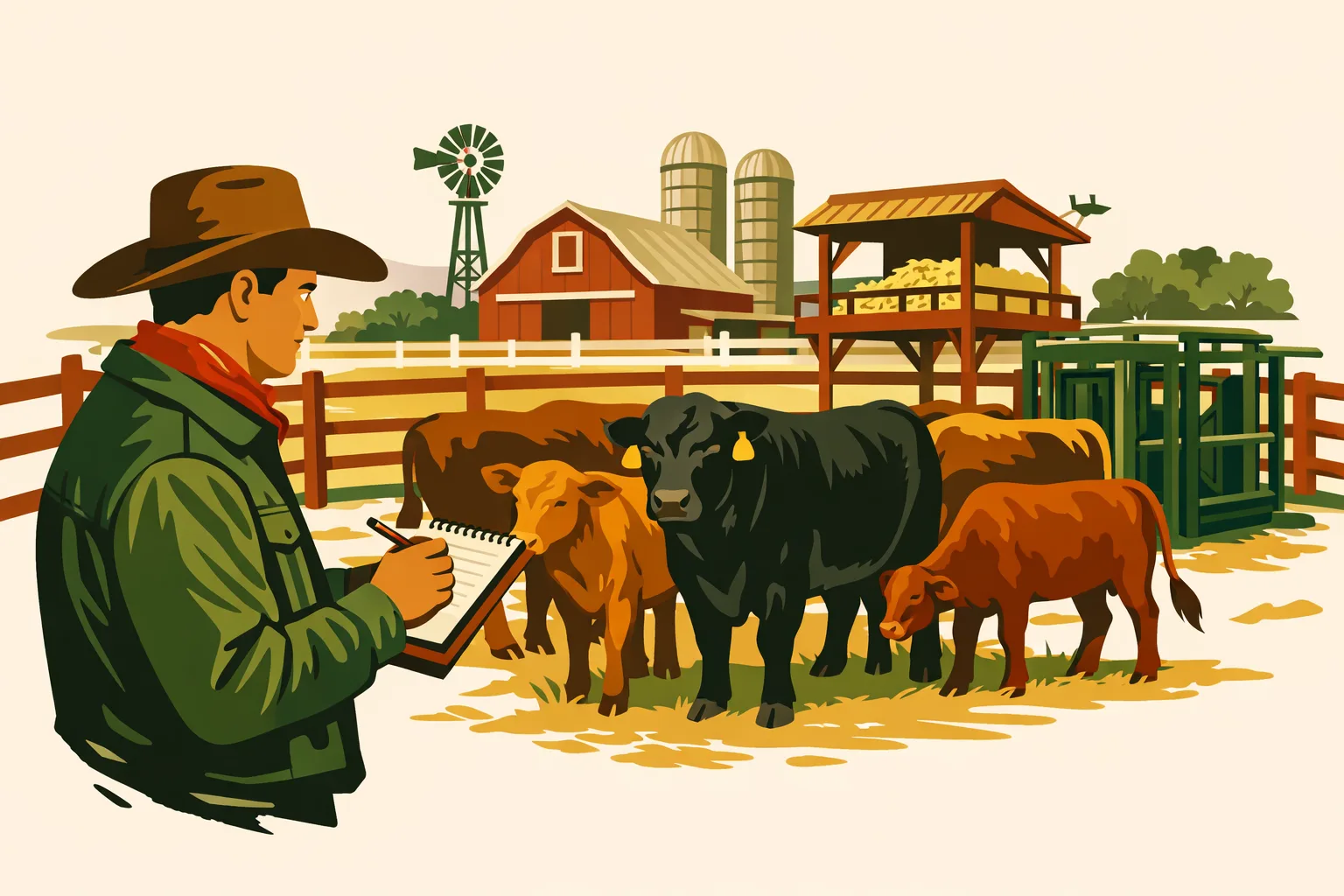
Efficient cattle breeding is not just about selecting the best bulls and cows; it’s about meticulous record-keeping that ensures the success of your herd for generations. Many ranchers think they’re logging all the necessary data, but often, critical details slip through the cracks. These overlooked fields can lead to missed breeding opportunities, unexpected calving problems, or even genetic issues down the line. Let’s delve into the pivotal data points you might be missing and how capturing these can optimize your breeding program.
Understanding the Importance of Comprehensive Breeding Records
Accurate cattle breeding records are the backbone of any successful livestock operation. They provide a detailed history of your herd, enabling you to make informed decisions about breeding, health management, and overall herd productivity. Without comprehensive records, ranchers may face genetic bottlenecks, reduced fertility rates, and unpredictable production outcomes.
Benefits of Detailed Cattle Breeding Records
- Improved Genetic Selection: With detailed records, you can track lineage and ensure genetic diversity within your herd.
- Enhanced Calving Predictions: Accurate data allows for precise calving date predictions, minimizing labor and stress during calving seasons.
- Informed Health Management: Keep track of health issues that may affect breeding decisions or herd sustainability.
- Regulatory Compliance: Meet all industry standards and regulations with complete documentation.
The 6 Fields Most Ranchers Forget to Log
While most ranchers are diligent about recording basic data such as birth dates and parentage, there are several fields that are often overlooked but crucial for optimizing breeding strategies.
1. Calving Ease Score
The calving ease score is a critical metric that assesses how smoothly a cow can give birth. This information helps predict calving difficulties in future generations and can influence breeding choices.
- Why It Matters: Minimizes labor interventions and reduces calf mortality rates.
- How to Record: Use a standardized scale to rate each birth and note any assistance needed.
2. Sire and Dam Temperament
The temperament of both the sire and dam can have a significant impact on the behavior of their offspring. Recording this information helps in selecting breeding pairs that contribute to a manageable herd.
- Why It Matters: Ensures the safety of handlers and maintains a stress-free environment for cattle.
- How to Record: Observe and rate temperament during different handling situations.
3. Weaning Weight
Weaning weight is an important indicator of growth rates and overall herd health. It can influence market decisions and help evaluate the nutritional management of the herd.
- Why It Matters: Correlates with future growth potential and economic returns.
- How to Record: Weigh calves at weaning and adjust for age to standardize data.
4. Reproductive Performance
Detailed records of each cow’s reproductive history, including conception rates and any breeding failures, are essential for identifying fertility issues.
- Why It Matters: Enhances herd fertility and reduces calving intervals.
- How to Record: Track all breeding attempts, noting the success or failure of each.
5. Genetic Conditions
Documenting any known genetic conditions in your herd is crucial for making informed breeding decisions and avoiding hereditary issues.
- Why It Matters: Prevents propagation of undesirable traits and promotes herd health.
- How to Record: Test for known genetic conditions and record results.
6. Environmental Stressors
Environmental factors such as extreme weather conditions or changes in pasture quality can affect breeding outcomes. Logging these stressors helps in understanding their impact on reproductive success.
- Why It Matters: Aids in developing strategies to mitigate negative environmental impacts.
- How to Record: Note any significant environmental changes and their timing relative to breeding events.
Comparison Table: Commonly Logged vs. Overlooked Fields
| Field | Commonly Logged | Often Overlooked |
|---|---|---|
| Birth Date | ✔ | |
| Parentage | ✔ | |
| Calving Ease Score | ✔ | |
| Sire and Dam Temperament | ✔ | |
| Weaning Weight | ✔ | |
| Reproductive Performance | ✔ | |
| Genetic Conditions | ✔ | |
| Environmental Stressors | ✔ |
Practical Checklist for Comprehensive Cattle Breeding Records
To ensure your cattle breeding records are thorough and effective, use the checklist below:
- Calving Ease Score: Record using a standardized scale.
- Sire and Dam Temperament: Observe and document during handling.
- Weaning Weight: Measure and adjust for age.
- Reproductive Performance: Log all breeding attempts and outcomes.
- Genetic Conditions: Test and record the presence of any conditions.
- Environmental Stressors: Note any impactful changes.
How FarmsFlo Helps
FarmsFlo simplifies the daunting task of maintaining comprehensive cattle breeding records. Our platform offers intuitive tools for logging all necessary data fields, including those often forgotten. With FarmsFlo, you can effortlessly track calving ease scores, temperament, and more, while also leveraging predictive analytics to anticipate calving dates and identify potential breeding issues.
- Automated Data Entry: Reduce manual errors with easy-to-use templates.
- Predictive Analytics: Use historical data to forecast calving and optimize breeding schedules.
- Comprehensive Reporting: Generate detailed reports to meet regulatory compliance and enhance decision-making.
Take control of your cattle breeding records today. Try FarmsFlo for free and experience the efficiency and precision of a fully integrated record-keeping solution.
→ See also: how to track cattle breeding records without a shoebox of papers.